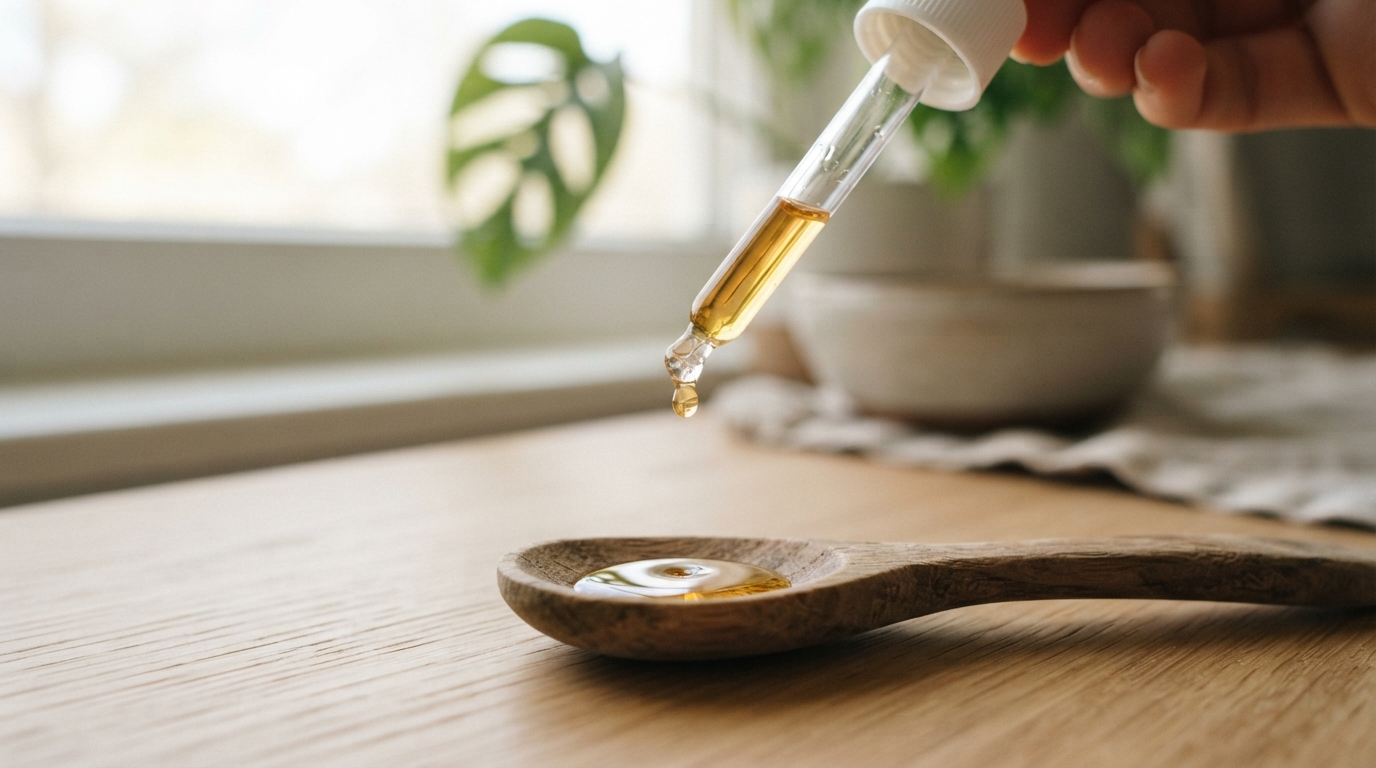
Shelf space for pet wellness products has changed a lot over the past five years. Bags of jerky treats now sit next to droppers, chews, and soft treats labeled "calming"…
Cats can react differently to supplements, foods, and changes in their daily routine. Any product added to a cat's diet deserves careful consideration, especially when the available evidence is limited…
Sleep problems can affect dogs at different stages of life. A puppy may struggle to settle after a change in routine, while an older dog can develop unusual nighttime habits.…
Cats can be selective about food, routines, and anything introduced into their environment. A new treat may be accepted immediately by one cat and ignored completely by another. That makes…
Choosing a supplement for a dog can become confusing when product labels use different concentrations, serving sizes, and measuring methods. A bottle may list CBD in milligrams per serving while…
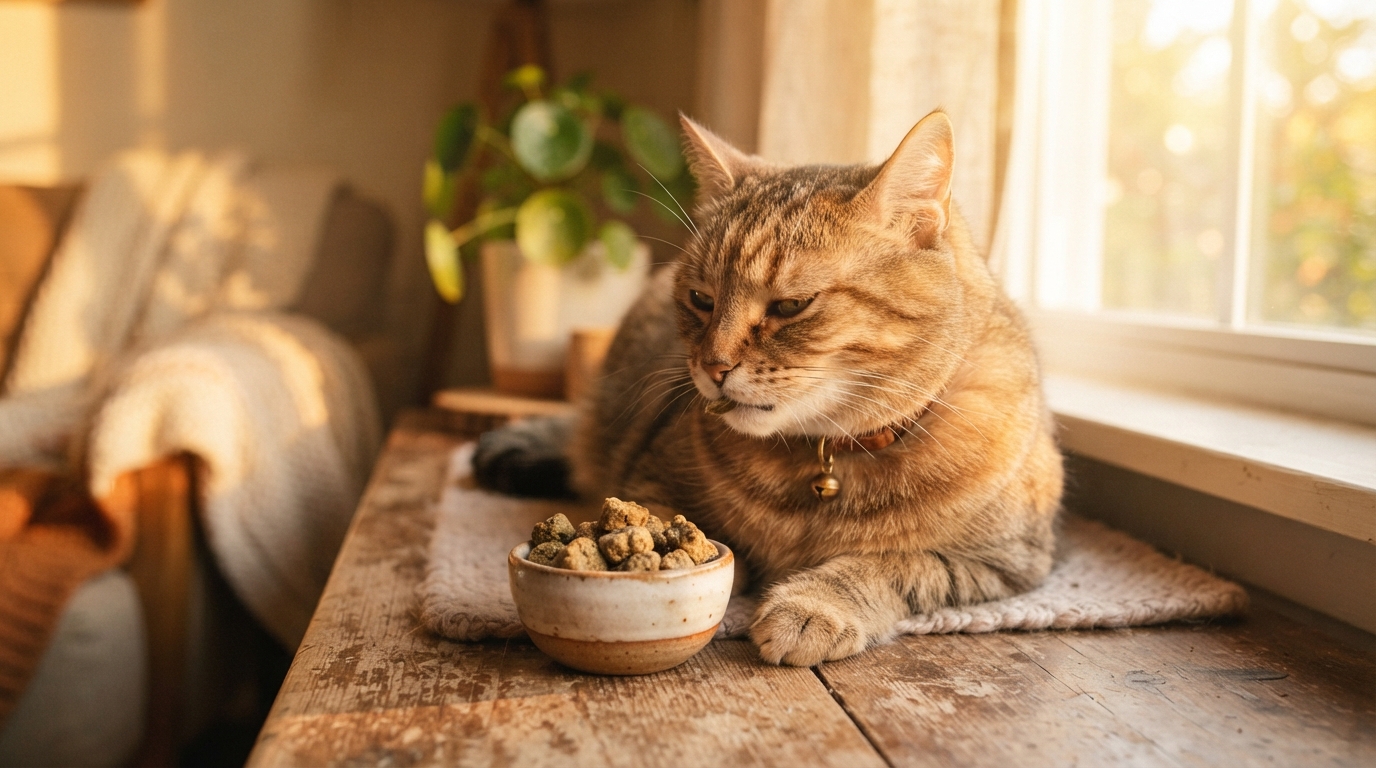
Shelf space for pet wellness products has changed a lot over the past five years. Bags of jerky treats now sit next to droppers, chews, and soft treats labeled “calming” or “hemp-derived,” and most of them make some version of the same promise: a relaxed, comfortable cat.
Sorting through that shelf takes more than reading the front of the package. Holistapet CBD cat treats vary widely in ingredient quality, dosing accuracy, and manufacturing oversight, and the differences matter for a small animal whose liver processes compounds very differently than a person’s does.
What’s Actually Inside a CBD Cat Treat
Most CBD cat treats start with hemp extract blended into a food base, usually chicken, salmon, or a grain-free filler designed to mask the earthy taste of hemp. The extract itself falls into three general categories: full-spectrum (containing the full range of plant compounds, including trace cannabinoids), broad-spectrum (similar, but with THC removed), and isolate (pure CBD with nothing else from the plant).
Under U.S. federal law, hemp-derived products can legally contain up to 0.3% THC by dry weight. That’s a small amount for a 150-pound adult, but cats weigh a fraction of that, so even legal trace levels deserve attention. The American Veterinary Medical Association has noted that THC is toxic to cats and dogs, and that cats may directly consume plant material rather than just edibles, unlike dogs.
Checking the Label Before You Buy
A treat bag that lists “hemp oil” as an ingredient without a milligram count isn’t giving buyers much to work with. Useful labels typically include:
Total CBD content per treat, not just per bag
A batch number linked to a Certificate of Analysis (COA)
THC content, ideally listed as “non-detectable” or under a specific ppm threshold
Country or state of hemp sourcing
Extraction method (CO2 extraction is generally considered cleaner than solvent-based methods)
A COA is a lab report showing what’s actually in a given batch, tested by a third party rather than the manufacturer itself. Products without one are essentially unverified, regardless of what the packaging claims. Merck Veterinary Manual notes that a lack of regulatory oversight in this category has led to real variability in product quality, with some products showing inaccurate CBD content on the label or unexpected contamination with heavy metals or synthetic cannabinoids.
Cannabinoid Content and Cat Physiology
Cats process cannabinoids differently than dogs. A study reviewed by dvm360 found that hemp-based nutraceuticals appeared generally safe in a small group of dogs, but cats showed slower absorption and more rapid elimination of CBD compared to dogs given the same class of product. In practical terms, that means dosing guidance built around dog studies doesn’t transfer cleanly to cats, and a treat marketed for “pets” without species-specific testing may not actually reflect how a cat’s body handles the compound.
This is part of why the FDA continues to discourage CBD use in cats and dogs generally. Data on appropriate dosing, long-term effects on blood chemistry, and pharmacokinetics for cats specifically remains limited. That doesn’t mean every product on the market is unsafe, but it does mean buyers are working with less certainty than they might assume from a confident marketing claim.
Pricing across the category also varies more than most food or treat categories. A jar of 30 chicken-flavored soft chews might run anywhere from $20 to $45 depending on CBD concentration, brand reputation, and whether the company pays for independent lab testing on every batch versus periodic spot checks.
Market Growth and What It Signals
The category has grown quickly. Mordor Intelligence estimated the global CBD pet products market at roughly $303 million in 2025, projecting growth to about $538 million by 2030 at a compound annual growth rate near 12.2%. Other market research firms report even steeper growth curves for the broader CBD pet segment, some projecting a compound annual growth rate above 30% through the early 2030s, driven largely by rising interest in natural alternatives to conventional pharmaceuticals for pain and anxiety.
Fast growth in a lightly regulated category tends to attract both serious manufacturers investing in testing infrastructure and smaller operations cutting corners to capture market share quickly. That split is worth remembering while comparing products, since brand size or online popularity doesn’t necessarily correlate with testing rigor.
A few practical habits help narrow the field:
Request or download the COA before purchasing, not after
Compare CBD milligrams per treat across brands rather than comparing price per bag
Look for expiration dates and storage instructions, since cannabinoids degrade with light and heat exposure
Check whether the company discloses its hemp source (domestic hemp is generally subject to tighter agricultural oversight than imported hemp)
Talking to a Veterinarian First
Veterinary organizations have been cautious but not dismissive about cannabinoid products. The AVMA has stated that CBD appears to hold some therapeutic promise for pain management and certain conditions like osteoarthritis, while also cautioning that the scientific evidence remains limited. A veterinarian familiar with a specific cat’s health history, current medications, and weight is in a far better position to judge whether a hemp-based treat makes sense than a product label alone.
This matters more for cats on other medications. CBD is metabolized through liver enzymes that also process a range of common drugs, including some anti-seizure and pain medications, which raises the possibility of interactions that a label can’t account for.
Storage, Flavor, and Getting a Cat to Actually Eat It
Getting a cat to accept any new food is its own challenge, and hemp extract has a distinct earthy flavor that many cats notice immediately, even under salmon or chicken coating. Some manufacturers use flavor-masking techniques or freeze-dried protein coatings to offset that taste, while others rely on high-value proteins like duck or rabbit that cats find naturally appealing regardless of what’s underneath.
Storage affects potency more than most buyers expect. CBD degrades when exposed to light, heat, and air, so a jar left on a sunny counter for months may deliver noticeably less cannabinoid content by the time it’s finished than what the label promised on day one. Airtight, opaque containers kept in a cool, dry place preserve potency longer. Refrigeration isn’t usually necessary unless the packaging specifically calls for it, but a pantry shelf works better than a spot near a stove or window.
Treats formulated specifically for cats, rather than repackaged dog products in smaller portions, tend to account for feline taste preferences and smaller effective serving sizes more accurately. A “small dog and cat” label on a bag is often a signal that dosing wasn’t built around feline physiology specifically, which circles back to the earlier point about species-specific testing.
Common Misconceptions Worth Clearing Up
“Hemp” and “marijuana” get used almost interchangeably in casual conversation, but they’re legally and chemically distinct. Hemp is cannabis with 0.3% THC or less by dry weight; marijuana refers to cannabis plants bred for higher THC content. Every legitimate CBD cat treat on the market is derived from hemp, not marijuana, and that distinction is what makes these products legal to sell in the first place.
Another common assumption: that “more CBD is better.” That’s not necessarily true, and it isn’t how the compound appears to work based on current research. Some studies in other species have suggested a bell-curve response, where effects plateau or even diminish at very high doses rather than scaling up linearly. Starting at a manufacturer’s suggested low end and observing an individual cat’s response over several days is generally a more measured approach than assuming a double dose doubles the benefit.
There’s also a persistent belief that CBD treats will make a cat “high” or sedated in the way THC would. Properly formulated CBD products, tested to confirm minimal or non-detectable THC, aren’t intended to produce intoxicating effects. Some cats do get sleepy after a treat, similar to how some cats react to catnip, but that’s a different mechanism than the psychoactive effect associated with THC.
Finally, “natural” doesn’t automatically mean “risk-free.” Plenty of natural substances are toxic to cats, including several common houseplants and foods safe for humans. Hemp-derived CBD carries its own considerations, including possible drug interactions and the quality control issues discussed earlier, regardless of how the word “natural” is used on packaging.
Comparing Products Side by Side
A simple spreadsheet or notes app comparison helps more than it might seem, especially when narrowing down between three or four brands. Recording milligrams of CBD per treat, price per treat, THC status, extraction method, and whether a batch-specific COA is publicly available turns an overwhelming shelf of similar-looking bags into a manageable comparison. Patterns tend to emerge quickly: brands that skip COA disclosure often skip other details too, like extraction method or hemp sourcing, while brands that lead with lab transparency usually disclose the rest of the picture as well.
Final Thoughts
Choosing a CBD cat treat comes down to verifiable information: a real lab report, a clear THC threshold, transparent sourcing, and a conversation with a veterinarian who knows the cat in question. None of that guarantees an effect, but it does reduce the guesswork involved in giving a cat something its body may process quite differently than expected.
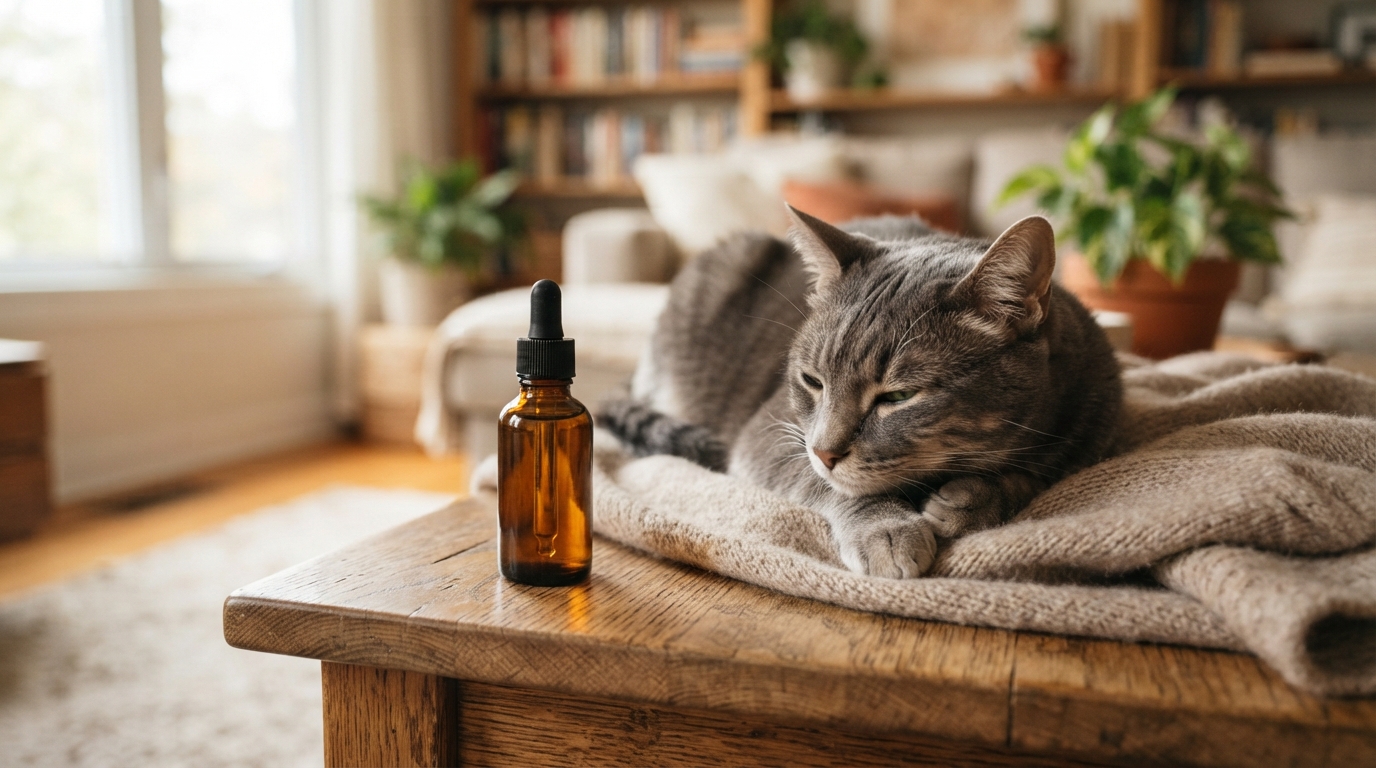
Cats can react differently to supplements, foods, and changes in their daily routine. Any product added to a cat’s diet deserves careful consideration, especially when the available evidence is limited or still developing. HolistapetCBD Oil for Cats has received attention from pet owners because cannabidiol, commonly called CBD, is a compound derived from cannabis plants that does not produce the intoxicating effects associated with THC.
Before choosing a CBD product, cat owners need to understand what the product contains, how it is labeled, and whether there is enough reliable information to support its intended use. Product quality also matters because oils can vary considerably in concentration, ingredients, and testing practices.
Understanding CBD and Cats
CBD is one of many cannabinoids found in cannabis plants. Unlike tetrahydrocannabinol (THC), CBD is not considered intoxicating. The endocannabinoid system exists in mammals and is involved in several physiological processes, but the presence of this system does not automatically establish that CBD is safe or effective for treating a particular condition in cats.
Research involving companion animals remains limited compared with research involving humans. The U.S. Food and Drug Administration has stated that it has not approved cannabis for use in animals and has not approved cannabis-derived products for use in animals as drugs. This distinction matters because products marketed for pets may not have undergone the same type of evaluation required for an approved veterinary medication.
Why the Label Matters
A bottle can look professional and still leave important questions unanswered. A useful label should make it possible to determine how much CBD is present and what other ingredients are included.
Check for:
The total amount of CBD in the container.
The amount of CBD per serving or measured dose.
A complete ingredient list.
A batch or lot number.
Manufacturer contact information.
Storage instructions.
A clear statement about the product’s intended use.
Laboratory testing information when available.
The concentration should be expressed clearly. For example, knowing that a bottle contains 600 milligrams of oil is less useful if the label does not explain how much CBD is present per milliliter.
How to Evaluate Product Quality
Quality assessment begins before the bottle is opened. A responsible purchasing decision involves examining the source of the CBD, the carrier oil, laboratory documentation, and the manufacturer’s labeling practices.
A certificate of analysis, often called a COA, can provide useful information when it comes from an independent laboratory. The document should identify the tested product or batch and show cannabinoid results. Depending on the laboratory and product, testing may also cover contaminants such as pesticides, heavy metals, solvents, or microbial contamination.
Look Beyond the Front Label
Marketing language can make a product sound more precise than it actually is. Terms such as “natural,” “premium,” or “full spectrum” do not by themselves prove safety, purity, or effectiveness.
A closer review should answer several basic questions:
What exactly is in the bottle?
How much CBD does the product contain?
Does the laboratory report correspond to the same product or batch?
Is THC reported separately?
Are additional ingredients suitable for cats?
Is the recommended serving easy to measure accurately?
Cats also have different nutritional and metabolic needs from humans. An oil designed primarily for people may contain flavorings, sweeteners, essential oils, or other ingredients that are unsuitable for feline use.
Safety Considerations Before Use
CBD should not be treated as a substitute for veterinary diagnosis. A cat that suddenly stops eating, hides more than usual, vomits repeatedly, develops breathing difficulties, or shows a major change in behavior may have an underlying medical problem that requires professional attention.
The Cornell Feline Health Center notes that changes in appetite can be associated with many feline health problems. Cats can also become seriously ill when they go without food for an extended period. A supplement should never delay an examination when symptoms are persistent or severe.
Possible Adverse Effects
Research on CBD in cats is still developing, so the complete range of long-term effects is not established. Studies have reported possible adverse effects, and CBD may affect the activity of certain enzymes involved in drug metabolism.
Potential concerns can include:
Sleepiness or changes in activity.
Gastrointestinal upset.
Changes in appetite.
Alterations in liver-related laboratory values.
Possible interactions with other medications.
A veterinary professional can assess whether a cat’s current medications, age, health history, and symptoms create additional concerns.
What Research Says About Feline CBD
Scientific evidence should be separated from marketing claims. A 2019 study published in Animals investigated the pharmacokinetics, safety, and tolerability of orally administered CBD in healthy cats. The researchers found that CBD was measurable in the cats after administration, while some animals experienced adverse effects such as excessive licking and head shaking.
A later study published in Frontiers in Veterinary Science examined the safety and pharmacokinetics of a broad-spectrum hemp extract in cats. Research of this type helps establish how cats process cannabinoids, but pharmacokinetic evidence does not automatically demonstrate that a product treats a specific illness.
This distinction is easy to miss online. A study can show that a compound reaches the bloodstream without proving that it improves anxiety, pain, arthritis, cancer, or another condition.
Why Evidence Quality Matters
Evidence can range from laboratory research to controlled clinical trials and anecdotal reports. These sources do not carry the same weight.
A practical hierarchy looks like this:
Evidence type
What it can tell readers
Laboratory research
How a compound behaves under controlled conditions
Animal safety studies
Possible effects and tolerability
Controlled clinical studies
Whether a treatment may help a defined condition
Case reports
Details about individual animals
Customer reviews
Personal experiences, not controlled evidence
Customer testimonials can be interesting, but they cannot establish whether CBD caused an improvement. Cats may also experience natural fluctuations in symptoms, changes in diet, concurrent treatments, or differences in their underlying condition.
Choosing a Product Carefully
A cautious approach starts with the cat rather than the bottle. Age, weight, existing health problems, medications, diet, and the reason for considering CBD all affect whether supplementation deserves further discussion with a veterinarian.
Avoid products with unclear cannabinoid concentrations or incomplete ingredient information. A low-quality product can create uncertainty about what the cat actually receives.
Practical Purchasing Checklist
Before buying a CBD oil for a cat, review the following:
Confirm that the cannabinoid concentration is clearly stated.
Read every ingredient rather than relying on the product name.
Look for batch-specific laboratory testing.
Check whether the laboratory report identifies cannabinoid concentrations.
Avoid products containing ingredients known to be unsuitable for cats.
Keep the product in its original container.
Store it according to the label instructions.
Keep the bottle away from children and animals that could accidentally consume it.
A dropper can also create measurement problems. If a label gives a concentration per milliliter, the amount delivered by a single drop may vary depending on the dropper design and the size of the drop. Measurements should therefore follow the product’s specific instructions rather than assumptions based on another brand.
Discussing CBD With a Veterinarian
Veterinary guidance is especially useful when a cat already receives prescription medication. CBD can potentially influence drug metabolism, so adding it without reviewing the existing medication list may create avoidable risks.
A veterinarian may also determine that a different approach is more appropriate. For example, a cat showing signs of discomfort may need an examination, dental evaluation, bloodwork, imaging, pain management, dietary adjustment, or another evidence-based treatment.
Questions Worth Asking
A focused veterinary conversation can include:
What could be causing the cat’s current symptoms?
Are there medications or supplements that could interact with CBD?
Is the cat’s age or health history a concern?
What signs should be monitored after introducing a new product?
What information should be recorded if the product is used?
When should the product be stopped?
Keeping a simple record of appetite, water consumption, litter box habits, activity, and unusual behavior can help identify changes. Such records can also give a veterinarian more useful information than a general statement that a cat “seems different.”
Understanding the Pet CBD Market
The broader CBD market has expanded rapidly, but market growth does not establish medical effectiveness. Market reports often combine human and animal products or use different definitions for market size, which makes individual figures difficult to compare.
The U.S. pet supplement market also includes many categories beyond CBD, such as vitamins, probiotics, joint supplements, and nutritional products. This wider market provides context for consumer interest in pet wellness products, but it should not be interpreted as evidence that every supplement category has equal scientific support.
Regulatory status is another important consideration. The FDA has repeatedly explained that it has concerns about the safety and legal status of unapproved cannabis-derived products marketed for animals. Consumers should therefore distinguish between a product being commercially available and a product being approved as a veterinary medicine.
Final Thoughts
Selecting a CBD product for a cat requires attention to ingredients, concentration, laboratory testing, and veterinary guidance. Because feline research remains limited, careful product evaluation and professional advice are more reliable than relying on marketing claims or customer testimonials.
Sleep problems can affect dogs at different stages of life. A puppy may struggle to settle after a change in routine, while an older dog can develop unusual nighttime habits. Noise, travel, environmental changes, and certain health conditions may also affect normal sleep patterns. Before any supplement is considered, the reason for the change matters because poor sleep can sometimes be a sign of another problem.
Melatonin is a hormone produced naturally by the pineal gland. It helps regulate the body’s sleep-wake cycle and responds to changes in light and darkness. In veterinary medicine, HolistapetMelatonin for Dogs is used off label for several purposes, including certain sleep and behavior concerns and some forms of non-allergic hair loss. Veterinary sources describe oral melatonin as generally well tolerated, but product selection, health status, and dosing still require care.
Understanding How Melatonin Works
The sleep-wake connection
Melatonin production normally increases during darkness. This natural pattern helps signal that the body should prepare for sleep. A supplement may provide additional melatonin during situations where a veterinarian believes adjusting this signal could be useful.
The effect is usually relatively short. VCA Animal Hospitals states that oral melatonin may begin working within about one to two hours, although the response can vary between animals. A dog that receives melatonin may become sleepy, but the supplement should not be treated as a general-purpose sedative for every behavioral problem.
Sleep-related concerns can have many causes. A dog that suddenly wakes repeatedly at night may be experiencing pain, anxiety, gastrointestinal discomfort, urinary problems, cognitive changes, or another medical issue. Treating the symptom without investigating the cause can delay appropriate care.
Why veterinarians may consider it
Veterinary use of melatonin is considered off label for dogs. That means the product or use has not been reviewed and approved by the U.S. Food and Drug Administration for that particular canine purpose. Off-label medication use is common in veterinary medicine, but the veterinarian’s directions should take priority over instructions intended for people.
Melatonin has been used in dogs for sleep and behavior disorders. Veterinary references also describe its use for certain types of alopecia, including recurrent flank alopecia and pattern baldness. The evidence and appropriate treatment approach can differ depending on the condition, so a supplement should not replace a veterinary diagnosis.
Choosing a Safe Product
Read the entire ingredient list
A major concern is assuming that a human melatonin product is automatically appropriate for a dog. Human supplements can contain ingredients that are unsuitable or dangerous for pets. Xylitol is one of the most important examples.
Xylitol is a sweetener found in some chewable, gummy, and fast-dissolving products. In dogs, it can trigger a rapid release of insulin, causing dangerously low blood sugar. Larger exposures can also result in liver injury or liver failure. ASPCA recommends checking supplement labels carefully because xylitol can occur in products that appear unrelated to ordinary sweets.
Another ingredient that deserves attention is 5-hydroxytryptophan, commonly called 5-HTP. Merck Veterinary Manual identifies 5-HTP as a potentially concerning additional ingredient in some human melatonin products because of the risk of serotonin syndrome. Gummies can create additional concerns because some formulations contain ingredients that may contribute to electrolyte disturbances after substantial ingestion.
A practical label check should include:
The active melatonin amount per tablet, capsule, chew, or serving
The complete list of inactive ingredients
Whether xylitol or another sweetener is present
Whether 5-HTP or other active ingredients are included
Whether the product is immediate release or sustained release
The expiration date and storage instructions
VCA specifically advises against using sustained-release oral melatonin products off label in pets. The formulation matters because products that look similar on a store shelf can behave differently after administration.
Pet-specific does not automatically mean appropriate
A product marketed for pets may still require careful evaluation. Labels can differ in concentration, serving size, flavoring, and additional ingredients. A veterinarian can determine whether the product fits the dog’s age, weight, medical history, and reason for use.
Storage also deserves attention. Melatonin products should be kept in a secure location because accidental ingestion can expose a dog to a large amount at once. Gummies and flavored chews can be especially attractive to pets.
Dosage, Timing, and Monitoring
Why a fixed dose is difficult
There is no single melatonin dose that applies safely to every dog. Veterinary use depends on the purpose of treatment, formulation, body size, age, medical history, and other medications. Some veterinary references report empirical doses for specific conditions, but those figures should not be treated as a universal home dosing chart. For example, Merck Veterinary Manual describes oral doses of 3 to 6 mg per dog every 6 to 8 hours in the context of certain canine hair-growth disorders. That information applies to a specific veterinary use and does not establish a general dose for sleep or anxiety.
This distinction matters because a supplement used for one condition may require a different treatment plan for another. A dog receiving melatonin for a sleep disorder should not automatically be given the same amount described for alopecia.
Timing can affect the response
Veterinary instructions may specify a particular time based on the intended effect. For sleep-related concerns, timing may be planned around the dog’s normal bedtime or the period when a predictable event occurs. VCA advises following the veterinarian’s directions and giving the supplement at the same time each day when regular administration is prescribed.
If a dose is missed, doubling the next dose is not recommended. VCA advises giving a missed dose when remembered unless it is nearly time for the next scheduled dose, in which case the missed dose should be skipped.
Watch for changes after administration
Melatonin can cause sleepiness. VCA also lists possible effects such as weight gain and changes in fertility, while noting that information about some reported human effects does not necessarily have the same significance in animals. Unusual reactions should be reported to a veterinarian.
Merck Veterinary Manual lists vomiting, lethargy, sedation, and ataxia among possible signs associated with melatonin toxicosis. A dog that appears unusually weak, severely uncoordinated, repeatedly vomits, or develops another concerning symptom after taking a supplement should receive veterinary attention.
When Extra Caution Is Needed
Puppies, pregnant dogs, and nursing dogs
Age and reproductive status can change the safety considerations. VCA recommends caution when melatonin is considered for dogs that are pregnant, nursing, used for breeding, very young, or affected by severe liver disease.
Young dogs also require special attention because their sleep patterns and behavior change as they mature. A puppy that wakes frequently may simply have normal developmental needs, including bathroom breaks and adjustments to a household schedule. A supplement should not be used to force a puppy into an adult sleep routine.
Pregnancy and nursing require a separate discussion with a veterinarian. The fact that melatonin is a naturally occurring hormone does not establish that supplemental melatonin is appropriate during reproduction.
Dogs taking other medications
Drug interactions can occur even with products sold without a prescription. VCA identifies several medications that may require caution when combined with melatonin, including benzodiazepines, amlodipine, cimetidine, ciprofloxacin, estrogens, fluvoxamine, mexiletine, propofol, succinylcholine, and warfarin.
A complete medication list should include prescription drugs, over-the-counter products, vitamins, herbal supplements, and other pet supplements. Providing the full list gives the veterinarian a better basis for evaluating possible interactions.
Dogs with underlying health problems
A sleep disturbance can sometimes provide an early clue that something else has changed. Senior dogs, for example, may develop nighttime restlessness associated with cognitive dysfunction. Pain, endocrine disease, urinary problems, and other conditions can also interfere with sleep.
If the behavior is new, persistent, or accompanied by appetite changes, excessive thirst, vomiting, weakness, pain, confusion, or changes in bathroom habits, veterinary assessment is more useful than simply adding a sleep supplement.
What Happens After Accidental Ingestion?
Accidental ingestion is different from a veterinarian-directed dose. A dog that consumes several tablets or an entire container should be assessed based on the exact product, amount consumed, body weight, and symptoms.
Melatonin alone generally has a wide safety margin, according to Merck Veterinary Manual and ASPCA. The larger concern can be additional ingredients. Xylitol can cause hypoglycemia and liver injury, while certain gummy formulations may create other risks.
If accidental ingestion occurs, keep the packaging available for the veterinary team. The label can show the exact strength, ingredients, and formulation, which can make the risk assessment much more accurate.
Do not assume that a dog is safe simply because the product contains melatonin. A product containing xylitol, 5-HTP, or other active substances may require a different response.
Practical Questions Before Use
A simple decision checklist
Before giving a dog melatonin, several questions can help identify whether professional guidance is needed:
What problem is the supplement intended to address?
Has a veterinarian evaluated a sudden or persistent change in sleep or behavior?
What is the dog’s age, weight, and reproductive status?
Does the dog have liver disease or another chronic condition?
What prescription medicines and supplements are currently being used?
Does the product contain xylitol, 5-HTP, or other active ingredients?
Is the product sustained release?
What exact dose and timing were recommended?
These questions are particularly useful when a supplement was purchased without a veterinary prescription. They also help prevent a common mistake, which is choosing a human product based only on its stated melatonin content.
Building better sleep habits
Medication or supplementation is only one part of managing sleep-related behavior. A consistent daily schedule can help dogs understand when activity and rest normally occur. Regular exercise suited to the dog’s age and physical condition can also support a predictable bedtime routine.
A quiet sleeping area, limited late-night stimulation, and consistent feeding and bathroom schedules may help some dogs settle more easily. These measures do not treat medical conditions, but they can provide useful background support when a veterinarian is addressing a sleep problem.
Final Thoughts
Melatonin can have legitimate veterinary uses for dogs, but the right product and dose depend on the individual animal and the reason for treatment. Checking ingredients carefully and consulting a veterinarian can reduce avoidable risks, especially with human supplements and products containing xylitol.
Cats can be selective about food, routines, and anything introduced into their environment. A new treat may be accepted immediately by one cat and ignored completely by another. That makes ingredient awareness especially useful when considering specialty pet products.
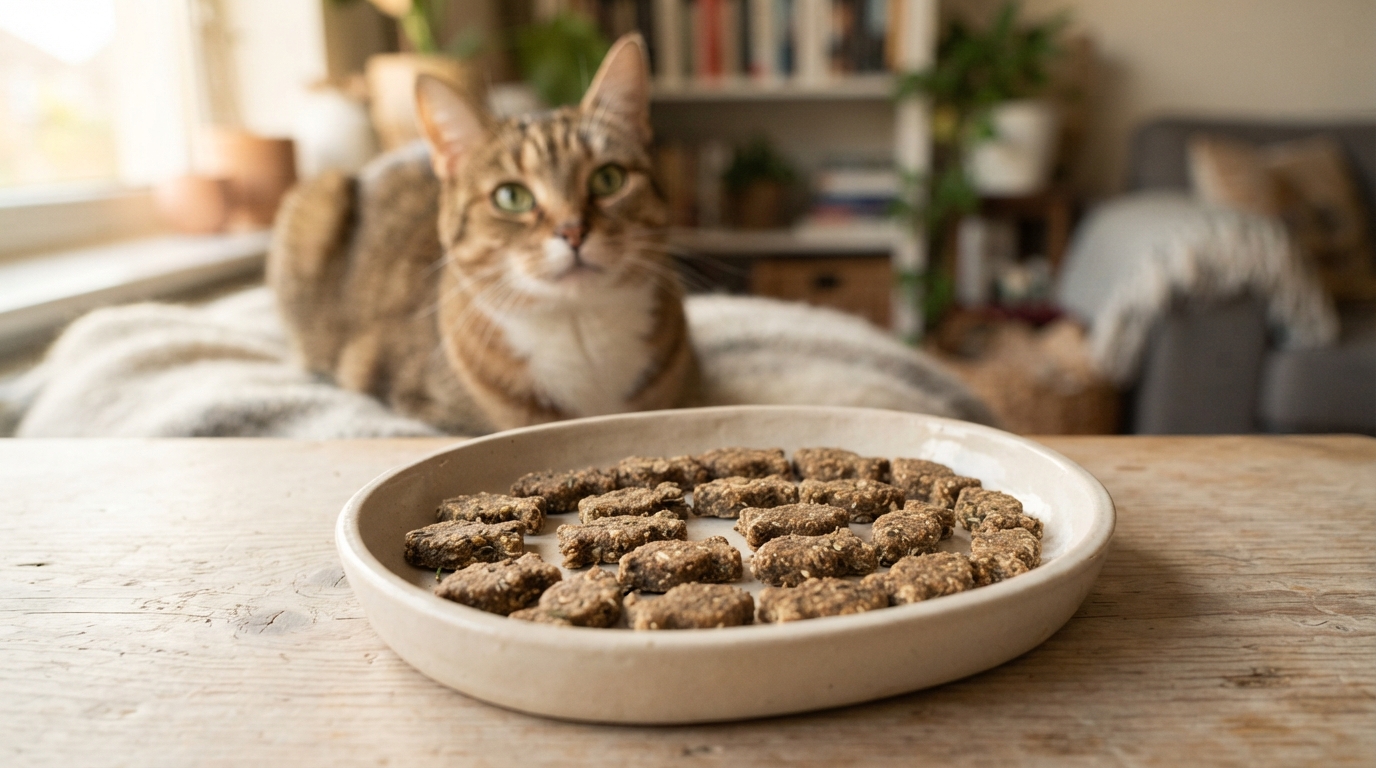
Holistapet CBD Cat Treats are typically formulated as bite-sized snacks containing cannabidiol, a compound derived from cannabis or hemp. Before adding them to a cat’s routine, owners should understand what CBD is, how these products are made, what research says about feline use, and which safety questions remain unanswered.
Understanding CBD in Cat Treats
CBD, or cannabidiol, is one of the naturally occurring compounds found in cannabis plants. Unlike THC, CBD is not considered intoxicating in the same way. However, the absence of an intoxicating effect does not automatically mean that a CBD product is appropriate or risk-free for cats.
Research into CBD and companion animals remains limited, particularly for cats. The U.S. Food and Drug Administration has stated that it has not approved cannabis for use in animals and cannot assure the safety or effectiveness of cannabis products marketed for pets. The agency recommends discussing appropriate treatment options with a veterinarian.
The distinction between a general treat and a product marketed for a therapeutic purpose also matters. Claims that a product can diagnose, treat, cure, or prevent a disease can place it into a different regulatory category. Pet owners should therefore pay close attention to product labeling rather than relying on broad wellness claims.
What CBD Does and Does Not Mean
The word “CBD” describes a specific compound, not a guarantee about a product’s quality. Two treats can contain CBD but differ considerably in concentration, ingredients, manufacturing methods, and testing.
A responsible evaluation starts with the entire product rather than the CBD number alone. Factors such as the cat’s age, weight, diet, medications, and existing health needs can also affect whether a particular product deserves consideration.
Some commonly misunderstood points include:
CBD is different from THC, although hemp-derived products can still require careful ingredient review.
A larger amount of CBD does not automatically provide a better result.
A product labeled for pets is not necessarily FDA-approved.
Human CBD products should not automatically be substituted for feline products.
Product claims should be evaluated separately from established scientific evidence.
The FDA has also raised concerns about CBD product quality, including situations in which tested products did not contain the amount of CBD stated on their labels or contained contaminants.
Choosing a Better-Documented Product
When evaluating a CBD treat for a cat, the ingredient panel deserves as much attention as the front label. A simple product with clearly identified ingredients is easier to assess than a treat containing numerous proprietary blends or vague descriptions.
A useful starting checklist includes:
Full ingredient list
Clearly stated CBD amount
Suggested serving information
Manufacturer identification
Batch or lot information
Testing documentation when available
Storage instructions
Warnings and precautions
Clear distinction between CBD and THC content
Third-party laboratory testing can provide additional information about cannabinoid content and contaminants. A certificate of analysis, when genuine and applicable to the specific batch, may help verify whether the product matches its label.
Why Testing Matters
CBD products can vary in chemical composition. The FDA has reported concerns involving inaccurate CBD concentrations and potential contaminants such as pesticides, heavy metals, and THC.
For cats, this issue is particularly relevant because their small body size can make ingredient amounts more significant. A treat containing several active compounds should therefore be evaluated with the same care given to other concentrated pet products.
The absence of a laboratory report does not prove that a product is unsafe. It does mean that the buyer has less independent information available when assessing consistency and purity.
Another useful practice is checking whether the product was specifically formulated for cats. Cats have different nutritional and metabolic characteristics from dogs, so a canine product should not automatically be treated as interchangeable with a feline product.
Introducing a New Treat Carefully
Cats often respond better to gradual changes than sudden alterations to their routine. A new treat can be introduced separately from other dietary changes so that any unusual reaction is easier to identify.
Before introducing a CBD-containing product, veterinary guidance is especially appropriate for cats that take medication or have ongoing health concerns. The FDA has identified potential drug interactions with CBD and has emphasized that important safety questions remain unanswered.
A cautious approach can include these steps:
Review the complete ingredient label.
Confirm that the product is intended for cats.
Check the amount of CBD per treat rather than relying on the package’s total CBD figure.
Discuss the product with a veterinarian, particularly when medication is involved.
Follow the product’s stated directions rather than estimating an amount.
Introduce only one new product at a time.
Observe the cat for changes in appetite, digestion, alertness, or behavior.
Stop use and seek veterinary advice if concerning symptoms appear.
This process helps separate ordinary food preferences from potential reactions. It also prevents several new treats or supplements from being introduced simultaneously, which can make it difficult to identify the source of a problem.
Safety Questions Cat Owners Should Consider
CBD research in animals has developed more slowly than consumer interest. The FDA has specifically identified the safety of CBD in pets and other animals as an area requiring further study.
That research gap matters when evaluating statements about everyday feline wellness. A product may be widely available without having the same level of clinical evidence associated with an FDA-approved veterinary medication.
The FDA has reported possible adverse effects associated with cannabis exposure in pets, including lethargy, depression, heavy drooling, vomiting, agitation, tremors, and convulsions. Any cat showing these signs after ingesting a cannabis-containing product should receive prompt veterinary attention.
Situations Requiring Extra Caution
Certain cats deserve more careful consideration before receiving any new supplement or specialty treat.
These include cats that:
Take prescription medications
Have diagnosed liver or kidney problems
Are elderly or medically fragile
Are pregnant or nursing
Have experienced previous reactions to supplements
Have difficulty maintaining a normal appetite
Are already receiving several supplements
The concern is not limited to CBD itself. Other ingredients in a treat can also affect a cat’s tolerance. Flavorings, oils, herbs, sweeteners, preservatives, and concentrated botanical ingredients should all be reviewed.
Veterinary advice can also help determine whether a reported concern actually calls for a supplement. A change in appetite, mobility, sleep, grooming, or behavior may sometimes signal an underlying health issue that requires diagnosis rather than dietary experimentation.
Reading Wellness Claims More Carefully
Pet-product labels can use language that sounds medical even when the supporting evidence is limited. Terms such as “calming,” “comfort,” “mobility,” and “wellness” may describe intended positioning rather than proven treatment effects.
The distinction is important. FDA enforcement actions have addressed CBD animal products marketed with claims about treating or preventing medical conditions. In 2025, the FDA issued a warning letter involving products marketed as CBD cat treats and other animal products, stating that CBD is not approved for use in animal food and raising safety concerns identified in the scientific literature.
For consumers, this means product descriptions should be read critically. A statement printed on packaging is not equivalent to evidence from controlled veterinary research.
A sensible evaluation asks three questions:
What does the product actually contain?
What evidence supports the stated benefit?
Is there a safer or better-established option for the cat’s specific need?
Those questions keep the focus on the animal rather than the marketing language.
Building a Sensible Treat Routine
Treats should remain part of the cat’s overall diet rather than replacing balanced nutrition. Portion size matters because repeated snacks can add calories quickly, particularly for indoor cats with relatively low daily activity.
A practical routine can include measured meals, fresh water, appropriate play, environmental enrichment, and treats used in moderation. If a CBD-containing treat is being considered, it should fit into that broader routine rather than become the sole focus of feline wellness.
Cats also benefit from predictable daily habits. Consistent feeding times, clean litter areas, comfortable resting spaces, scratching opportunities, and interactive play can support normal behavior without introducing additional substances.
This broader perspective is useful because feline wellness involves several interconnected factors. Diet alone cannot substitute for veterinary care, exercise, environmental enrichment, or treatment of an underlying illness.
Final Thoughts
CBD-containing cat treats require careful evaluation because feline research and regulatory approval remain limited. Reviewing ingredients, checking product documentation, and consulting a veterinarian can help owners make more informed decisions about whether such products belong in a cat’s routine.
Delta 9 Gummies: Sweet and Potent Relief
Delta 9 gummies have emerged as a popular choice for those seeking a convenient and enjoyable way to experience the benefits of cannabis. These gummies offer a unique blend of taste and therapeutic effects, making them a preferred option for many. This article explores the various aspects of Delta 9 gummies, including their composition, benefits, and potential drawbacks.
Understanding Delta 9 THC
Delta 9-tetrahydrocannabinol (THC) is the primary psychoactive compound found in cannabis. It is responsible for the “high” associated with marijuana use. Delta 9 THC interacts with the body’s endocannabinoid system, influencing mood, perception, and various physiological processes.
The Science Behind Delta 9 THC
Delta 9 THC binds to cannabinoid receptors in the brain and nervous system, primarily the CB1 receptor. This interaction alters neurotransmitter release, leading to changes in mood, cognition, and perception. Research has shown that Delta 9 THC can provide relief from pain, nausea, and other symptoms.
The Appeal of Delta 9 Gummies
Delta 9 gummies offer a discreet and tasty way to consume THC. They are available in various flavors and dosages, catering to different preferences and needs. The gummies are easy to transport and consume, making them a convenient option for on-the-go relief.
Benefits of Delta 9 Gummies
Convenience: Gummies are pre-dosed, eliminating the need for measuring or preparation.
Taste: Available in a variety of flavors, they provide a pleasant alternative to traditional methods of consumption.
Discretion: Gummies resemble regular candy, allowing for discreet use in public settings.
Long-lasting effects: The effects of edibles can last longer compared to smoking or vaping.
Potential Drawbacks
While Delta 9 gummies offer numerous benefits, they are not without potential downsides. Understanding these can help users make informed decisions.
Delayed Onset
Edibles, including gummies, typically take longer to produce effects compared to inhalation methods. This delay can lead to overconsumption if users are not patient, resulting in an uncomfortable experience.
Variability in Effects
The effects of Delta 9 gummies can vary based on individual factors such as metabolism, tolerance, and body weight. This variability can make it challenging to predict the exact outcome of consumption.
Legal Considerations
The legality of Delta 9 THC products varies by region. In some areas, they are fully legal, while in others, they may be restricted or prohibited. It is important for consumers to be aware of local laws and regulations before purchasing or using these products.
Case Study: Legalization Impact
A study conducted in Colorado, where cannabis is legal, showed a significant increase in the use of edibles, including gummies, following legalization. This shift highlights the growing acceptance and demand for alternative consumption methods.
Consumer Experiences
Many users report positive experiences with Delta 9 gummies, citing their effectiveness in managing symptoms such as pain, anxiety, and insomnia. Testimonials often highlight the convenience and enjoyable taste as key factors in their preference for gummies over other forms of THC.
Statistics on Usage
According to a survey by the National Cannabis Industry Association, 40% of cannabis consumers prefer edibles, with gummies being the most popular choice. This statistic underscores the growing trend towards edible consumption.
Conclusion
Delta 9 gummies offer a sweet and potent option for those seeking relief from various symptoms. Their convenience, taste, and discreet nature make them an attractive choice for many consumers. While they come with potential drawbacks, such as delayed onset and variability in effects, the benefits often outweigh these concerns for many users. As the legal landscape continues to evolve, Delta 9 gummies are likely to remain a popular choice for those exploring the therapeutic potential of cannabis.